
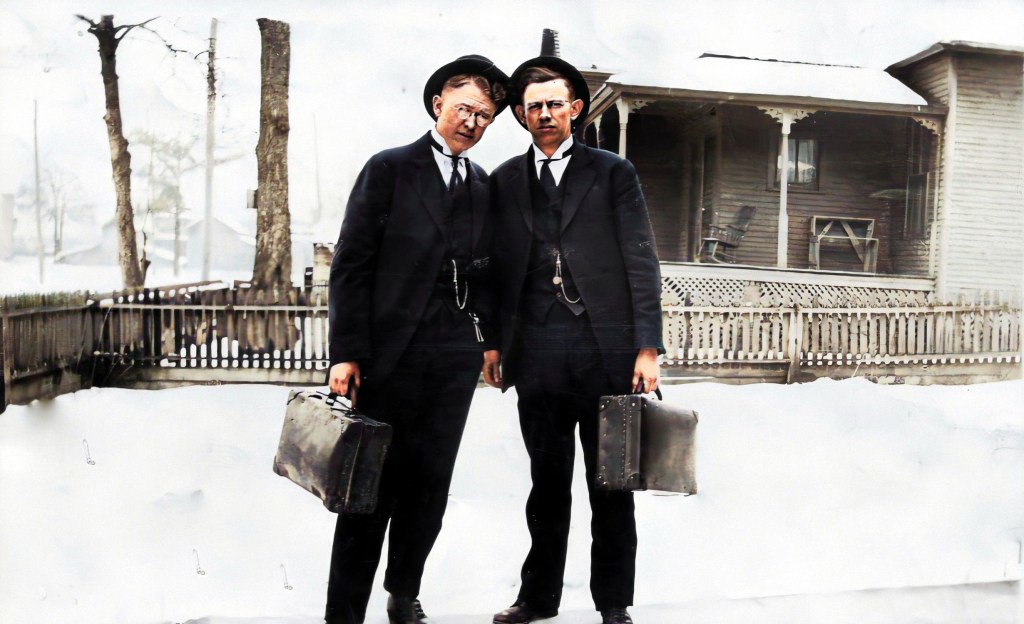
Elder James Baron wrote on the back of the above photo: “M[erlin] G[rant] Shumway, Kanab, Utah, and myself and all I own. These little grips is all we have. We carrie (sic) all our clothes and books and everything we own so you can see how homeless we are.“
Elders and Grips Traveled Together
Missionaries called their travel bags “grips.” Preaching the gospel “without purse or scrip” meant that the missionaries did not spend money on food and lodging. They relied on friends and sympathizers to meet their needs. They carried everything they owned with them every day in their “grips.” Naturally, lodging and meals influenced proselyting routes to towns and homes that the missionaries considered to be friendly and open to receiving the gospel of Jesus Christ. Based on missionary journals and baptismal records, the locations where the first missionaries in Blount County succeeded in teaching the gospel were: 1) Maryville; 2) Chilhowee; 3) Rasor (Happy Valley); 4) Cades Cove; 5) Tuckaleechee Cove; and 6) Millers Cove, as well as locations in between.

Journal entries document proselyting in Louisville, Miser, Greenback, Rockford, Brick Mill and other areas on the western half of Blount County – not on the regular route – but, aside from the usual friendly hosts (the Wrinkles, Hearons, Uncle Billie, and others), these ventures often document difficulties finding an obliging audience. I have not been able to identify any baptisms on the northwest side of the county. Therefore, baptisms mostly did not occur outside the aforementioned route during this first period (1892-1939) of the Church in Blount County.
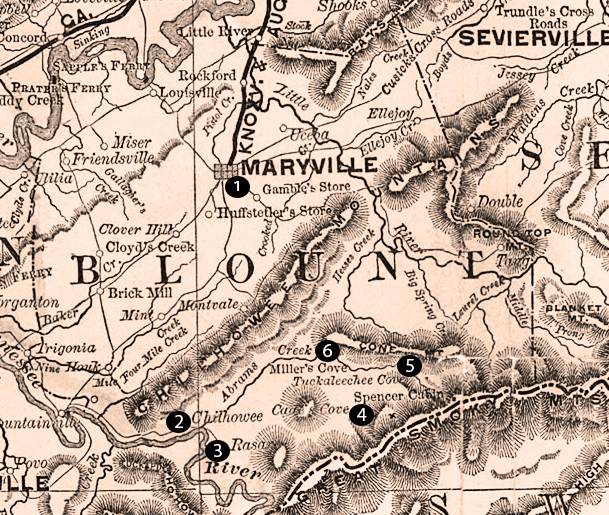
Proselyting without purse or scrip, or “teaching the gospel with no money,” as Elder Robert Young described it in his 1892-journal, meant that the early missionaries needed to find a place to sleep and a friendly person to make meals every day. Therefore, without overstaying their welcome, the elders would mostly lodge one or two nights and as long as a week in one town or at each home. They sought to not overstay their welcome. Their journal entries often note if they were invited back to a home when they left. These entries became their guide, their map to remind them where to seek peace, comfort, and an audience, and where to guide their efforts in gathering Zion.

On Elder Leroy Palmer’s second day after leaving the mission office, he wrote in his 1935-journal: “Where, oh where will I have breakfast next? One can only imagine the daily uncertainty as missionaries walked this route – to not know where a meal or shelter is to be found, where friends will welcome you or enemies will seek you. Descriptions of unfriendly towns and people often appear in journals. Likewise, friendly and welcoming hosts are often described as “kind” when rest is found. Their names and locations are noted. A reader comes to understand the significance of a journal entry that documents the missionaries’ host was a “friend of the Mormons.” Through these miracles, service, and trials of faith, the Smoky Mountain Saints and their missionaries came to an understanding of their necessities. For the Smoky Mountain Saints, it was spiritual nourishment, and for the missionaries, food and lodging.
Faith Preceded Miracles
“There is a law, irrevocably decreed in heaven before the foundations of this world, upon which all blessings are predicated—And when we obtain any blessing from God, it is by obedience to that law upon which [that blessing] is predicated.” (Doctrine and Covenants 130:20–21)
Mission presidents instructed the elders to labor without purse or scrip. This was emphasized in many mission conferences. The missionaries viewed this as a commandment. It is evident in their journals that they understood there were promised blessings for their obedience to this law. They noted when they did not have a choice to spend money, such as being ferried across a river or to resole a shoe; however, they document spending very little money and they took meticulous notes of all expenses. Their journals highlight great efforts in seeking food and lodging gratis on a daily basis. Regardless, the missionaries would come up short obeying this instruction. In one such journal, a missionary companionship, despite their trepidation of the unforeseen future, agreed to be absolutely obedient to not spending their own money. On their arrival in a new town, they were welcomed and the proprietor of the local hotel offered them free lodging for as long as they needed it. They were received in most homes and provided with meals on the house. After weeks of being blessed, one of the missionaries in this companionship received $5 in the mail from his wife. Elated, he walked down to the cobbler with his companion and purchased a new pair of shoes. When they returned to the hotel, they found their grips outside at the entrance. They were no longer welcome at the hotel. The proprietor of the hotel took note of them at the shoemaker’s shop and remarked that if they can buy shoes, then they can pay for lodging. The same occurred at each home they visited. Their success and blessings in the area immediately ceased and the elders recognized their error, seeking to repent and change, but the damage had been done.
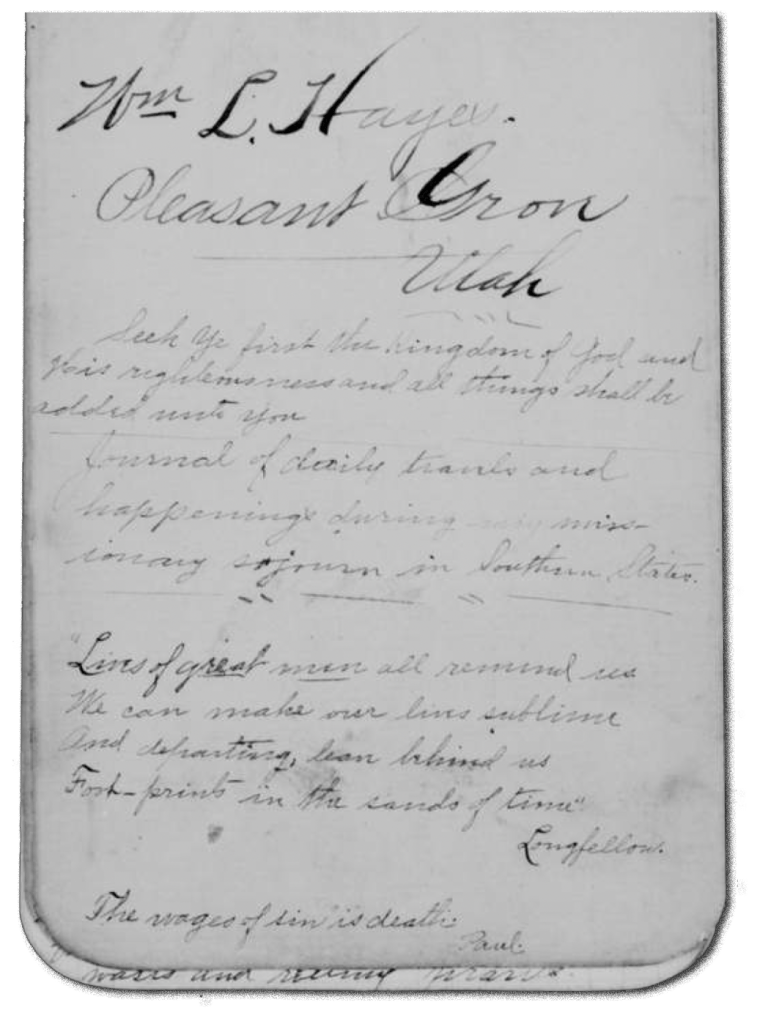
“Seek ye first the Kingdom of God and His righteousness and all things shall be added unto you. | Journal of daily thanks and happenings during my missionary sojourn in Southern States. | Lives of great men all remind us we can make our lives sublime, and, departing, leave behind us footprints in the sands of time. – Longfellow | The wages of sin is death. – Paul”
– Elder William Lehi Hayes
Mission Journals as Testaments
These mission journals most often reveal mundane activities void of descriptive language of their daily lives. The missionaries frequently withheld judgment of those they met. Most are filled with gratitude and appreciation for those hosts who provided and listened. At first glance, these journals appear to be daily travel logs with a location, mileage walked, and names of people they met. However, the reader must read between the lines. There are occasional hints of sadness and excitement. There is also humor found in their labors without purse or scrip.
On the night of May 15, 1893, two missionaries laboring in Maryville had to sleep in a barn and depart before anyone saw them. Their only meal for the day: crackers. This journal entry by Elder Robert Young provides an understanding of the elders’ need for a sense of humor and good attitude as they learned to trust in the Lord preaching the gospel without purse or scrip. Note that he ends his daily entry with the number of miles walked. He also begins his entries noting the town where they slept. For May 16, 1893, he wrote: “Maryville barn.”
Monday – 15 [May 1893] Montvale. We stayed with Mr. Raulson until after dinner and I had a talk with them on the resurrection. It rained nearly all day. We started for Maryville and canvassed a little along the road. We tried 11 places but were turned away and finally had to sleep in a barn. 7 [miles] Total 1,678 [miles]
Tuesday – 16 [May 1893] Maryville barn. We arose about 4 AM before the people would come out in the barn. We then went along the r[ail]r[oad] about a mile and a half… We went back to Maryville about 7 AM. I rec[eive]d one letter from Maggie [Frazer Young] and one from Heber Perry. All [are] well. We got some crackers for dinner as we had no supper or breakfast. We started out for Millers Cove intending to stop with Uncle [William T.] Billey [White] tonight, which we did. I caught cold last night. 10 [miles]
Many Hospitable Friends
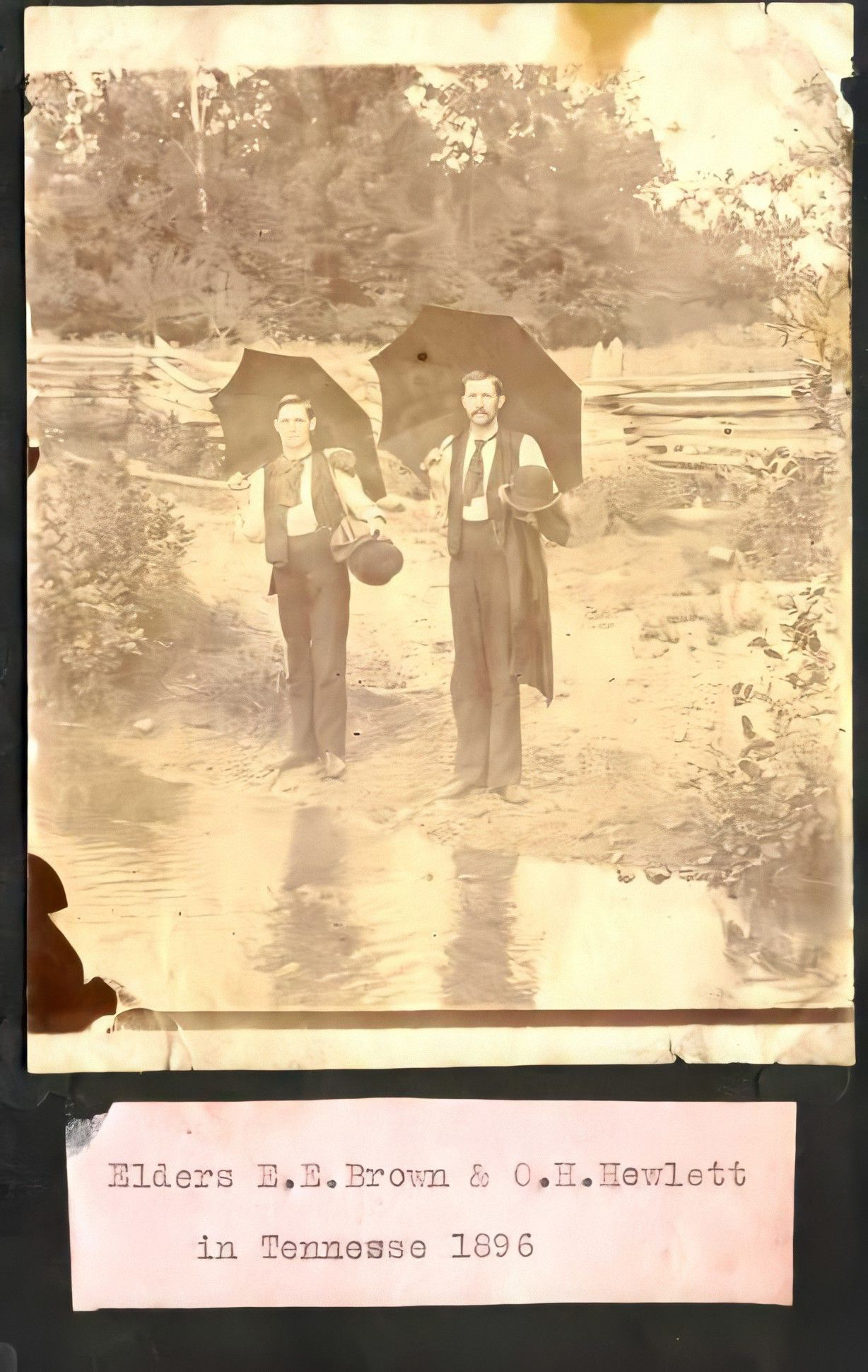
Though there were many who would turn the missionaries away and many who were downright unfriendly in Blount County, there were also many sympathizers and friends who were not members of the Church. Names become recognizable in missionary journals with each passing day. Many of these names are noted as “friends of the Mormons” who listen to the missionaries’ message but do not request to be baptized. These are people whose doors appear to be always open to the missionaries. The elders repeatedly return to their homes, hold cottage meetings, discuss scriptures with them, but do not appear to make progress. Perhaps as more journals are identified and more records come to light, we may find some eventually become baptized. However, a common theme found in the journals are of hospitable hosts who are not members of the Church. This sentiment of kindness is juxtaposed with even discouragement from the missionaries over their friends who do not request baptism. This is shared in Elder William Fullmer’s letters home.

“Am lonsom as can be, blue and discouraged. It doant seem like I have got the influence I should have. There is a
– William Price Fullmerlotpile of people that is converted but they woant get baptised and it seems that a good talken with someofinfluence and the spirit of the work could get them to be baptised, but I can not get them all. Mabey if I could it would spoil me I gess…”
In the journals of Elder William Hayes and Elder Robert Young, one family is often hosting the missionaries in the 1890s. The Hearons are a name seen repeatedly in entries. Elder Hayes shares his thoughts on their kindness and his hopes they would accept the gospel of Jesus Christ.

[Friday] – 25 January [1895] We went over into Happy Valley today in company with Bro[ther Joseph John Calvin (JC)] Garland. Had dinner on the way with Green[berry Young] Buchanan in [the] head of Millers Cove, then crossed the Chilhowee Mountain, reached Uncle Thomas Hear[o]n‘s about 3 PM. It had been just 16 months since I had been there or seen them, but they knew me “on sight” and said they would know my hide in the tan yard or could tell my voice in the dark. Bless their good kind hearts, what a pity they do not get initiated into the fold of Christ that they may be fully rewarded for their many acts of kindness to our elders. We had a grand conversation until a late hour.
[Saturday] – 26 January [1895] Today was so cold and windy that we remained under cover all day, which with the forepart of the night was spent in discussing scripture. Uncle Tom [Hearon] is a jewel.
Friends and Members Made it Possible
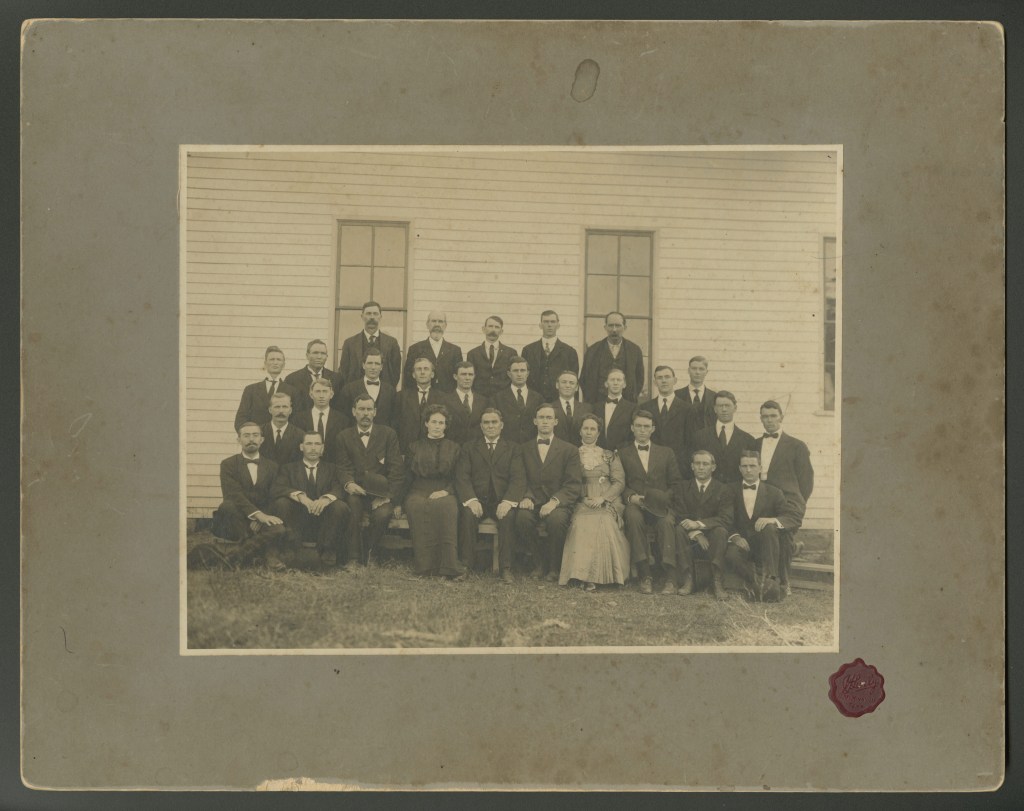
The hospitality from good people in Blount County provided the opportunity for the first missionaries to bring the message of the restored gospel of Jesus Christ to the area. Absent the friends to the elders like the Hearons, Buchanans, or Uncle Billeys, it is likely that the first missionaries would not have been successful laboring without purse or scrip. Indeed, there were times the missionaries would have to sleep in a barn, but for the most part, these elders found shelter and a meal at the end of the day.
By 1911, we find in the journal of Elder John Morley that the missionaries have a larger community of Saints with whom they can seek shelter. However, the first missionaries had their friends and a only a handful of recent converts who opened their doors. This perspective helps us recognize that these missionaries truly sacrificed – in addition to leaving their families – their personal comforts, laboring with their grips in hand and relying completely on the Lord as they walked the roads and trails from Tuckaleechee to Cades Cove to Happy Valley and back to Maryville. They were on the Lord’s errand and He provided. The spirit of the Lord touched members and friends alike, providing a path for the gospel of Jesus Christ to enter Blount County.
– Mike Merrell
 Smoky Mountain Ward